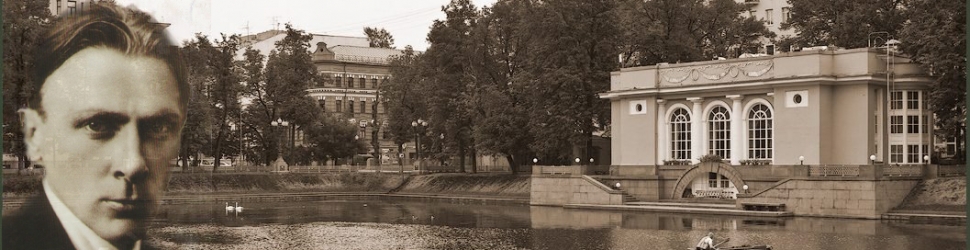
Все пройдет. Страдания, муки, кровь, голод и мор. Меч исчезнет, а вот звезды останутся, когда и тени наших тел и дел не останется на земле. Нет ни одного человека, который бы этого не знал. Так почему же мы не хотим обратить свой взгляд на них? Почему?
М. Булгаков. «Белая гвардия»
Имя писателя и драматурга Михаила Булгакова хорошо известно во всем мире, многие его произведения относятся к классике русской литературы. При жизни писателя его пьесы запрещали к постановке, а его крупнейшие прозаические произведения — «Белая гвардия», «Мольер», «Мастер и Маргарита», «Театральный роман» — впервые в России были полностью опубликованы только в 1960-е и 1970-е годы, «Собачье сердце» ходило в самиздате до 1980-х.
В настоящее время роман «Мастер и Маргарита» является одним из самых известных и читаемых русских произведений XX века во всем мире. Именно это произведение принесло автору настоящую славу. Многие годы историки, критики, философы, богословы, режиссеры, литераторы и рядовые читатели переосмысливают его образы, стараясь приоткрыть завесу таинственных шифров, сочувствуют героям и автору, восхищаясь, страшась и снова восхищаясь, пытаясь найти ответы на возникающие вопросы в биографии писателя, в трудах его предшественников и современников.
Известный русский литературовед В.Я. Лакшин писал: «Судьба Булгакова имеет свой драматический рисунок. Будто заранее было предсказано, что мальчик, родившийся 3 (15) мая 1891 года в Киеве, в семье преподавателя духовной академии, пройдет через тяжкие испытания эпохи войн и революции, будет голодать и бедствовать, станет драматургом лучшего театра страны, узнает вкус славы и гонения, бури оваций и пору глухой немоты и умрет, не дожив до пятидесяти лет, чтобы спустя еще четверть века вернуться к нам своими книгами».
Сам Михаил Булгаков о своем творчестве говорил так: «Черные и мистические краски (я — мистический писатель), в которых изображены бесчисленные уродства нашего быта, яд, которым пропитан мой язык, глубокий скептицизм в отношении революционного процесса, происходящего в моей отсталой стране, и противупоставление ему излюбленной и Великой Эволюции...»
Жизнь Булгакова многоцветна. Всё, чем только может одарить она человека, он получил за свои неполные пятьдесят лет пребывания на земле. Были успех и замалчивание, деньги и безденежье, много друзей, еще больше врагов, сладость творчества и травля критиков, ненависть завистников и любовь женщин. И слава, хоть и запоздавшая, но бессмертная, пришла к нему. Его книги переиздаются с неизменным успехом, их экранизируют в разных странах, его пьесы ставят в театрах, во многих городах России и Украины установили памятники самому писателю и его героям, в Киеве и Москве работают музеи Булгакова, его помнят и любят миллионы поклонников во всем мире.